Blogs background

Blogs

Featured Blogs

Let the Sun Do the Work

Let the Sun Do the Work

Anish Date5 min read

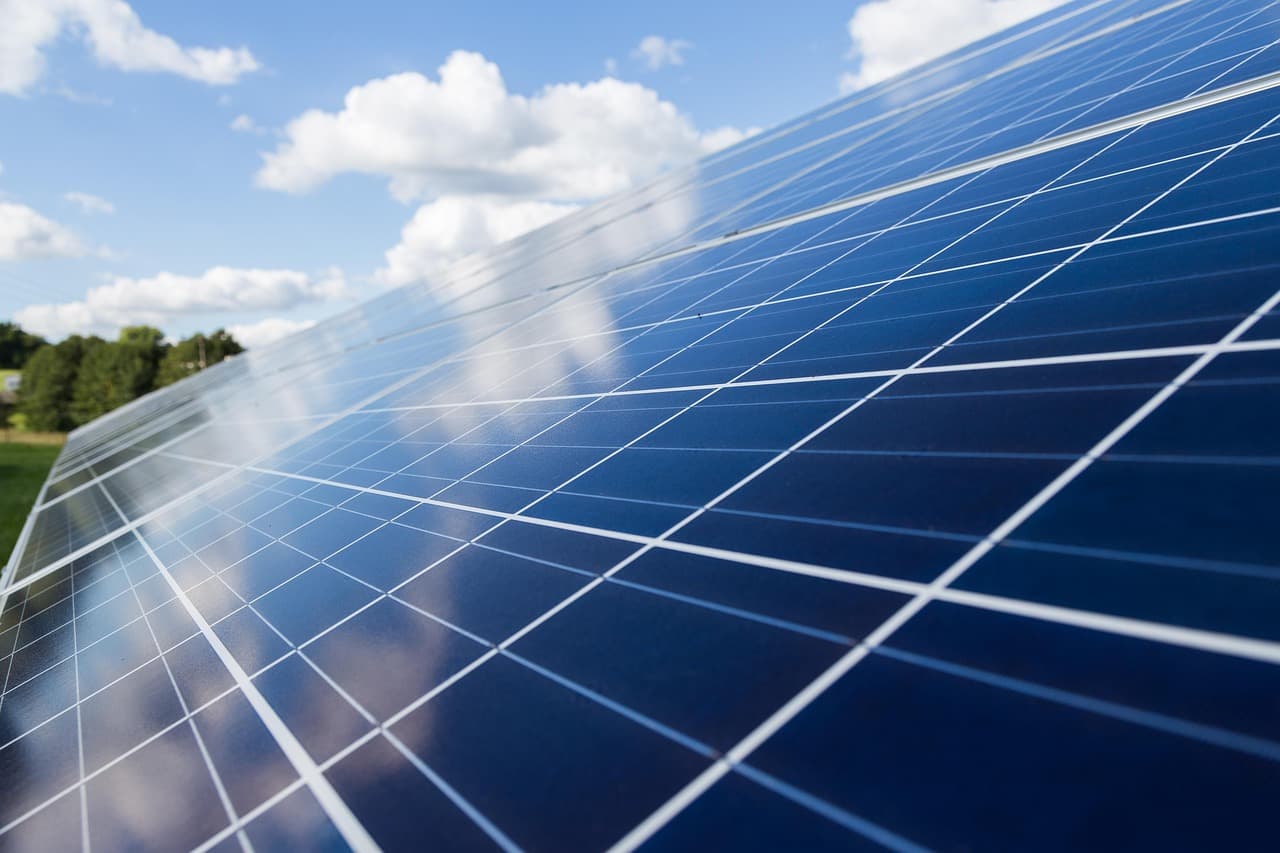
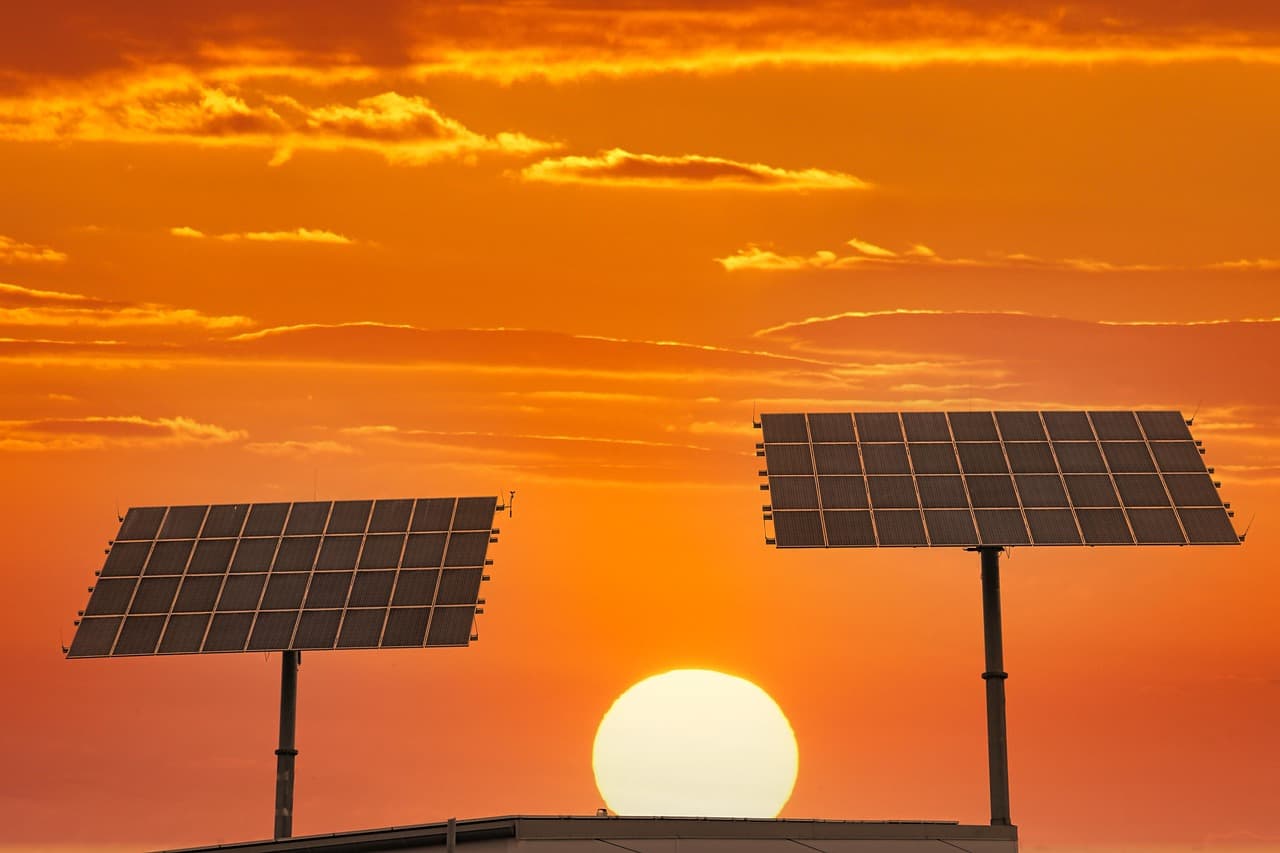
For decades, energy has been something industries simply consumed often without questioning its source, cost volatility, or environmental impact. Today, that mindset is changing. At Date Energy, we believe energy should work for you, not against you. That belief is at the heart of our philosophy: let the sun do the work. Solar energy is no longer just an alternative it is a strategic asset. When designed and executed correctly, a solar installation becomes a long-term contributor to operational efficiency, cost stability, and sustainability goals. Our role is to ensure that transition is seamless, reliable, and financially viable for every client we work with. Over the years, I’ve seen how thoughtfully engineered solar systems can transform industrial and commercial operations. From reducing electricity bills month after month to insulating businesses from future tariff hikes, solar power delivers measurable value from day one. But beyond savings, it also creates independence energy that is generated on-site, aligned to actual demand, and optimized for performance. Date Energy, we approach every project with this long-term perspective. We combine in-house engineering, experienced project management, and advanced monitoring systems to ensure each installation performs consistently across its lifecycle. Whether it’s a rooftop system for a commercial facility or a multi-megawatt ground-mounted plant, our focus remains the same: precision, reliability, and results. Sustainability is another outcome we take seriously not as a trend, but as responsibility. Every unit of clean energy generated reduces carbon emissions and contributes to a more resilient energy ecosystem. Our projects collectively offset thousands of tonnes of CO₂ every year, proving that economic growth and environmental responsibility can and should go hand in hand. The future of energy is already here. It is clean, scalable, and intelligent. The question is no longer if organizations should adopt solar, but how effectively they do it. With the right partner, solar power becomes more than infrastructure it becomes an advantage.That is why we say: let the sun do the work, while you focus on what matters most.

Rooftop vs Ground-Mounted Solar, What Works for Your Facility?

Rooftop vs Ground-Mounted Solar, What Works for Your Facility?

Date Energy3 min ago

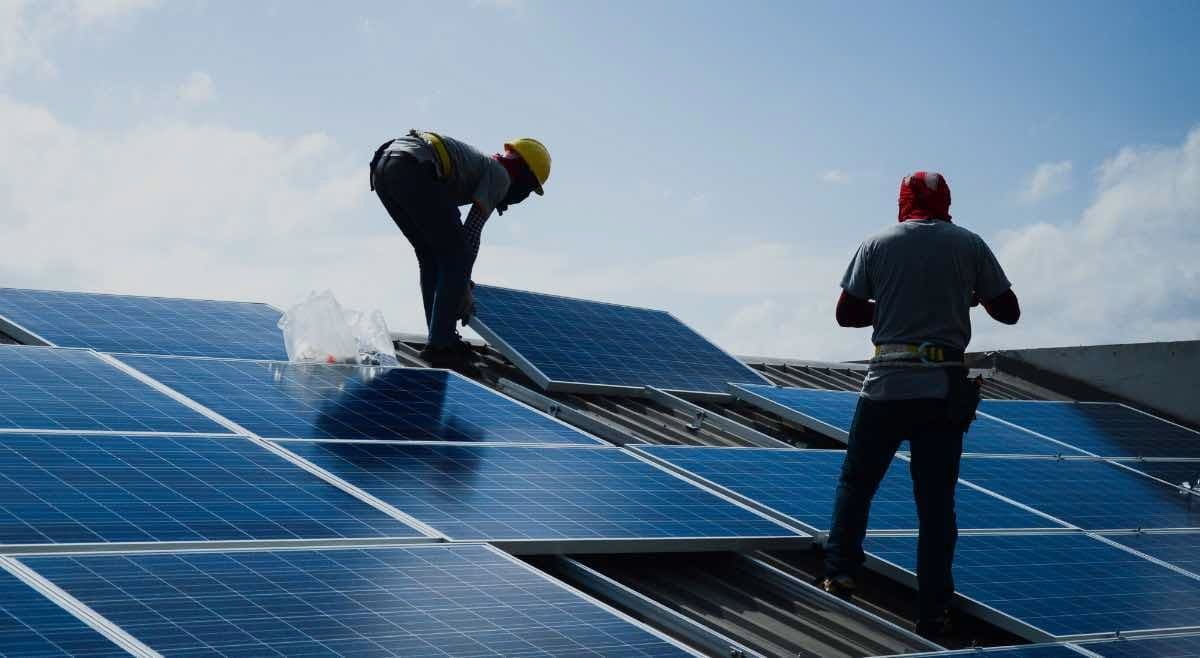
As more businesses turn to solar power, one of the first decisions they face is choosing between rooftop solar and ground-mounted solar systems. While both solutions generate clean energy, the right choice depends on how well the system aligns with a facility’s space, energy demand, and operational goals. Rooftop solar installations are well-suited for commercial buildings, warehouses, factories, and institutions with adequate roof space. These systems generate power at the point of consumption, helping reduce dependence on grid electricity without requiring additional land. Rooftop solar is especially effective for facilities with consistent daytime energy usage. However, rooftop installations require careful structural assessment. Load capacity, shading, roof condition, and future building usage must be evaluated to ensure long-term system safety and performance. Ground-mounted solar plants are designed for higher-capacity generation and are ideal for industrial facilities with available land or utility-scale requirements. These systems allow optimal panel orientation, easier maintenance access, and future expansion, making them suitable for energy-intensive operations. At Date Energy, we help clients evaluate technical feasibility, load profiles, regulatory considerations, and future scalability before recommending the most suitable solution. The goal is not just to install solar, but to ensure reliable performance over the system’s entire lifecycle.
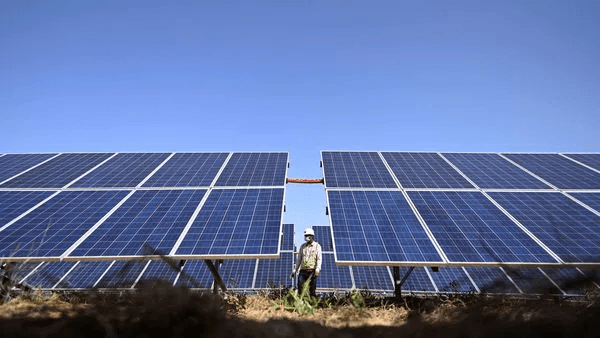
How EPC Expertise Defines the Performance of a Solar Project

How EPC Expertise Defines the Performance of a Solar Project

Date Energy4 min ago

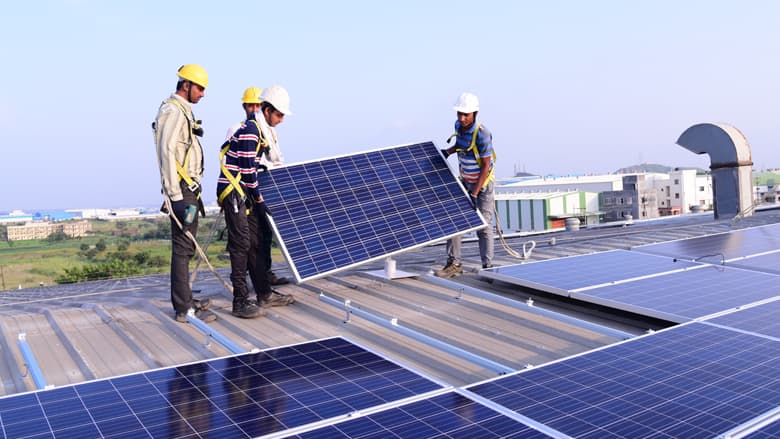
The performance of a solar project is not determined by components alone. While high-quality modules and inverters are important, the true differentiator lies in EPC expertise—the engineering, procurement, and construction processes that bring a project to life. Engineering forms the foundation of any solar installation. Detailed site analysis, layout optimization, electrical design, and load matching directly influence how efficiently a system performs. Errors or compromises at this stage can result in long-term performance losses that are difficult to correct later. Procurement ensures that every component meets technical specifications, safety standards, and performance expectations. Reliable sourcing reduces the risk of premature failures and ensures compatibility across system elements. Construction and execution translate design into reality. Skilled installation teams, strict safety practices, and disciplined project management ensure that timelines are met without sacrificing quality. Commissioning validates system performance and marks the transition to operational readiness. At Date Energy, our EPC approach is fully integrated, combining in-house engineering, experienced execution teams, and structured quality checks. This end-to-end accountability ensures that every solar project performs as intended—not just at commissioning, but throughout its operational life. Strong EPC capability is what transforms solar infrastructure into a dependable energy asset.

What Happens After a Solar Plant Is Commissioned?

What Happens After a Solar Plant Is Commissioned?

Date Energy3 min ago

Commissioning a solar plant is an important milestone, but it is only the beginning of a system’s operational journey. Long-term performance depends on how effectively the plant is monitored, maintained, and optimized after it goes live. Once operational, continuous monitoring becomes essential. Real-time data allows operators to track performance, identify deviations, and detect faults early. Without monitoring, even minor issues can go unnoticed and gradually impact system efficiency. Operation and Maintenance (O&M) activities play a critical role in sustaining performance. Preventive maintenance, regular inspections, cleaning schedules, and system audits help ensure consistent output and reduce the likelihood of unexpected downtime. Advanced monitoring platforms and analytics further enhance plant performance by identifying trends and enabling data-driven decision-making. Over time, this proactive approach helps extend equipment life and maintain operational stability. At Date Energy, post-commissioning support is treated as a core responsibility. Our focus is on ensuring that every system continues to deliver reliable energy output and operational confidence throughout its lifecycle. A solar plant’s real value is realized through sustained performance—not just successful commissioning.